

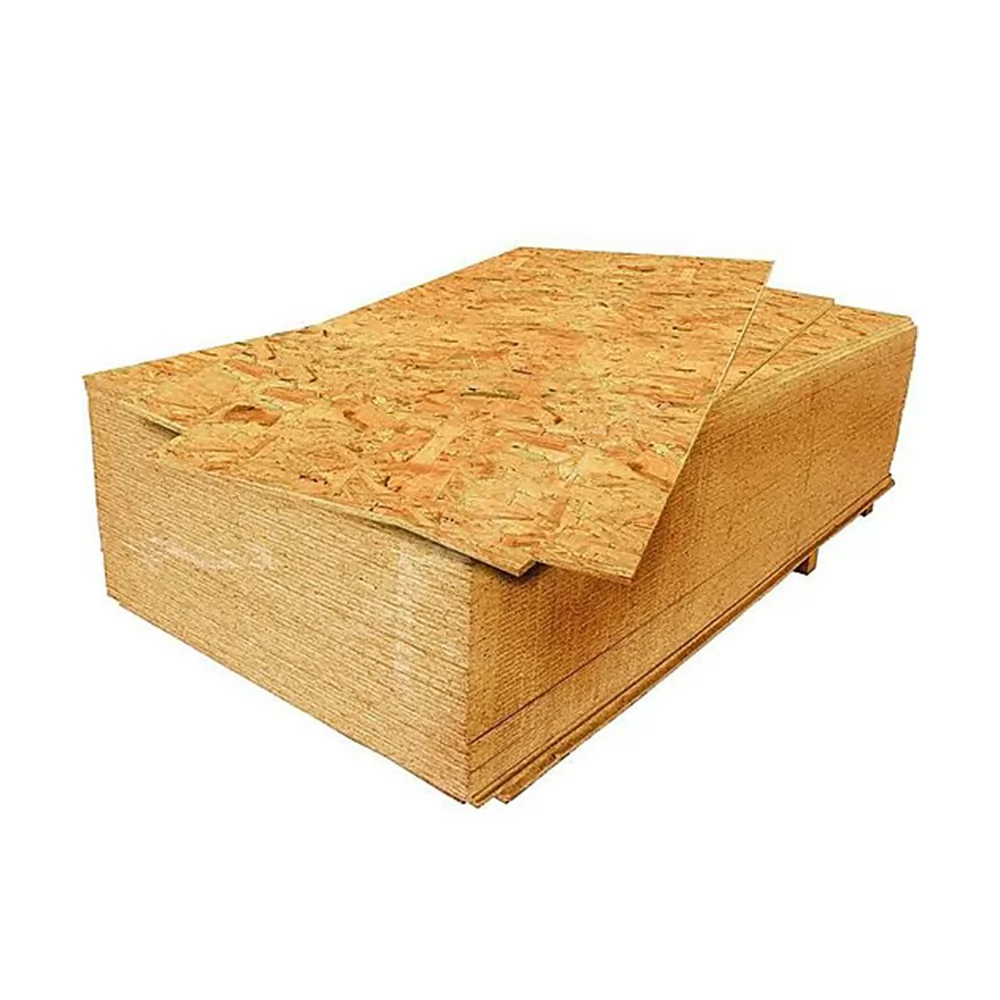
Westboard 11mm OSB/3 Panel
Moisture-resistant, high-performance Westboard 11mm OSB/3 constru
Westboard 11mm OSB/3 Panel is one of the indispensable building materials for modern construction projects. This panel, obtained by bonding high-quality wood strands with resin-based adhesives under high pressure and temperature, is specifically designed to perform exceptionally well in humid environments. The OSB/3 classification indicates that the panel maintains its load-bearing capacity even in damp conditions, offering a long-lasting solution.
With an 11mm thickness, Westboard OSB/3 offers both a lightweight and robust structure, making it suitable for a wide range of applications, from roof sheathing to exterior wall cladding, subflooring, and interior partitions. Its high bending strength and dimensional stability ensure it can be reliably used in all structural applications. Furthermore, its easy workability simplifies cutting, drilling, and fastening processes.
Westboard OSB/3 Panels are produced through environmentally conscious manufacturing processes and adhere to sustainable forestry principles. With a low formaldehyde emission value (E1 class), it contributes to indoor air quality, helping you create healthy living spaces. Compared to traditional materials like plywood and particleboard, its more homogeneous structure enhances screw and nail retention performance and minimizes waste. With these features, Westboard 11mm OSB/3 increases the cost-effectiveness of your project while offering long-term durability and reliability.
- Product Code: WB-OSB3-11mm
- Thickness: 11 mm
- Panel Dimensions: 1220 mm x 2440 mm (Standard)
- Density: Approximately 600-650 kg/m³
- Classification: OSB/3 (For load-bearing applications in humid conditions)
- Bending Strength (Major Axis): ≥ 22 N/mm²
- Modulus of Elasticity (Major Axis): ≥ 4500 N/mm²
- Swelling in Thickness (24h water immersion): ≤ 15%
- Formaldehyde Emission: Class E1 (Low emission)
- Thermal Conductivity Coefficient: Approximately 0.13 W/mK
- Fire Classification: E (According to EN 13501-1)
- Edge Type: Square Edge
- Application Areas: Roof sheathing, wall sheathing, subflooring, packaging, decoration
- Production Standard: EN 300
Westboard 11mm OSB/3 Panel has a wide range of uses due to its versatile structure and high-performance characteristics:
- Roof Sheathing and Underlayers: Creates a sturdy and moisture-resistant supporting surface beneath final roofing materials like tiles, shingles, or membranes.
- Exterior Wall Sheathing: Used as a structural element on the exterior of buildings to provide resistance against wind, seismic activity, and other lateral loads.
- Subflooring: Laid beneath floor coverings such as parquet, laminate, ceramic, or carpet to create a smooth, stable, and moisture-resistant subfloor. Especially preferred in humid areas.
- Interior Partition Walls: Used to cover the framework of partition walls in interior spaces and create a base for insulation materials.
- Packaging: Preferred for producing durable crates and pallets for the transport and storage of heavy and bulky products.
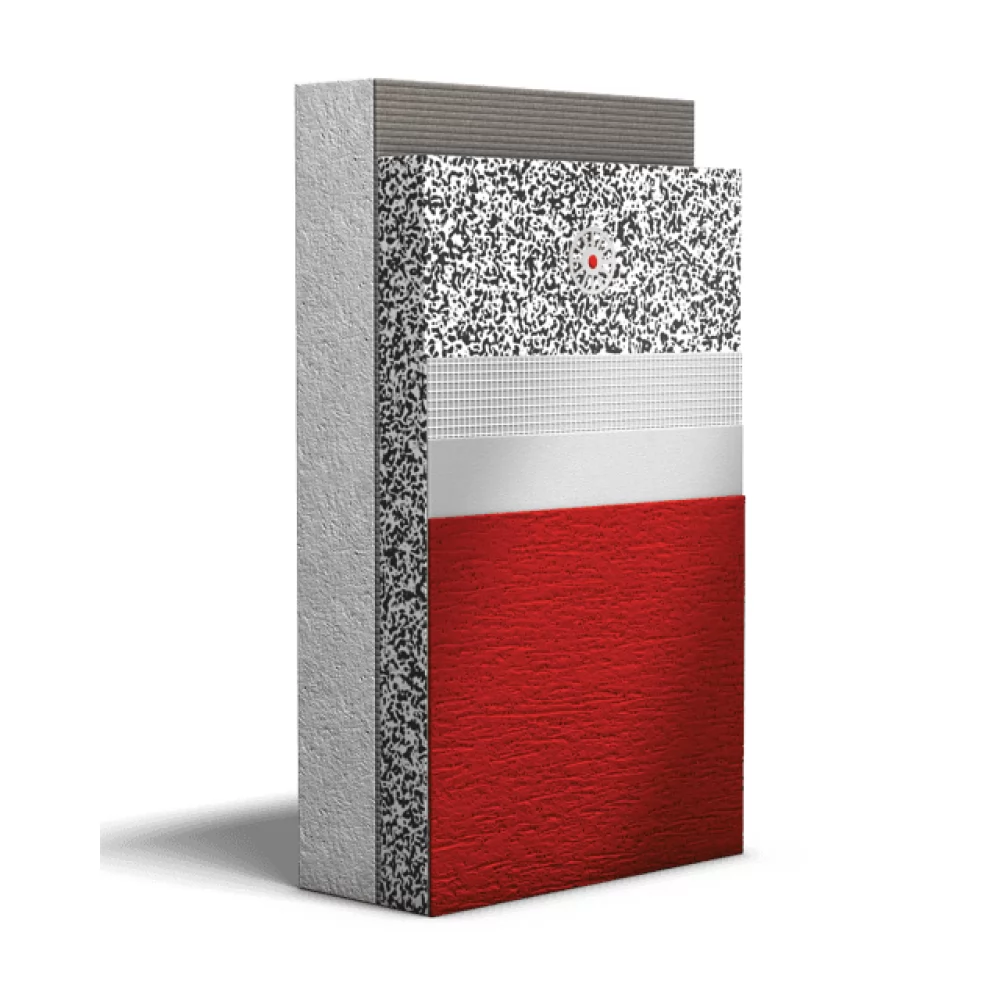
- Insulation Applications: Provides a robust surface for mounting thermal insulation materials on exterior facades in thermal insulation systems.
- Decorative and Furniture Applications: Can be used in the production of rustic or industrially designed furniture and decorative panels.
- Temporary Structures and Construction Formwork: An economical and practical solution for construction site hoardings, temporary shelters, and certain formwork applications.
- Storage and Acclimatization: Store panels flat, in a dry area, away from direct sunlight and moisture. Before application, allow at least 48 hours for the panels to acclimatize to the ambient temperature and humidity conditions where they will be used.
- Cutting and Processing: Panels can be easily cut using standard woodworking tools (circular saw, jigsaw). Use personal protective equipment (safety glasses, gloves, mask) during cutting.
- Expansion Gaps: OSB panels should be laid with an expansion gap of approximately 3-5 mm at the edges and between panels to accommodate expansion due to moisture and temperature changes. These gaps are critical, especially at wall and roof junctions.
- Fastening: When mounting panels onto wood or metal framing, use screws or nails of appropriate length (at least 2.5 times the panel thickness). Fasten 10-15 mm from the edges and at 15-20 cm intervals on intermediate supports. More frequent fastening (10 cm intervals) is recommended for outer edges.
- Flooring Applications: In subfloor applications, the long edges of the panels should be placed perpendicular to the support joists, and joints should be supported. Tongue and groove OSB panels provide better integrity at joints.
- Roof and Wall Applications: For roof and wall sheathing, the short edges of the panels are mounted perpendicular to vertical supports or purlins. Staggered vertical laying increases the structural strength.
- Protection: If used in outdoor applications or humid environments, an appropriate waterproofing membrane or exterior cladding should be applied to the panel surface.
- Personal Protective Equipment: Always use personal protective equipment such as safety glasses, gloves, and a dust mask during cutting, sanding, or installation. Dust particles generated can irritate respiratory pathways.
- Ventilation: Ensure adequate ventilation when working in enclosed spaces. Good ventilation is especially important during cutting and bonding processes.
- Moisture and Water Contact: Although OSB/3 panels are moisture-resistant, avoid prolonged direct contact with water. Ensure panels do not sit in puddles and store them in a dry environment.
- Formaldehyde Emission: The product has a Class E1 low formaldehyde emission rating, but additional ventilation may be recommended for sensitive individuals or special areas like nurseries.
- Flammability: OSB panels are wood-based and therefore combustible. They should be used in accordance with fire regulations and kept away from open flame sources. Fire retardant applications should be considered if necessary.
- Load Bearing: The load-bearing capacity of panels is determined by specific standards. Do not apply pressure or weight exceeding the specified load limits.
- Waste Management: Cutting waste and packaging materials should be disposed of or recycled in accordance with local regulations.
- Application Expertise: Especially in structural applications, professional application instructions and local building codes must be followed to ensure panels are installed correctly and safely.