

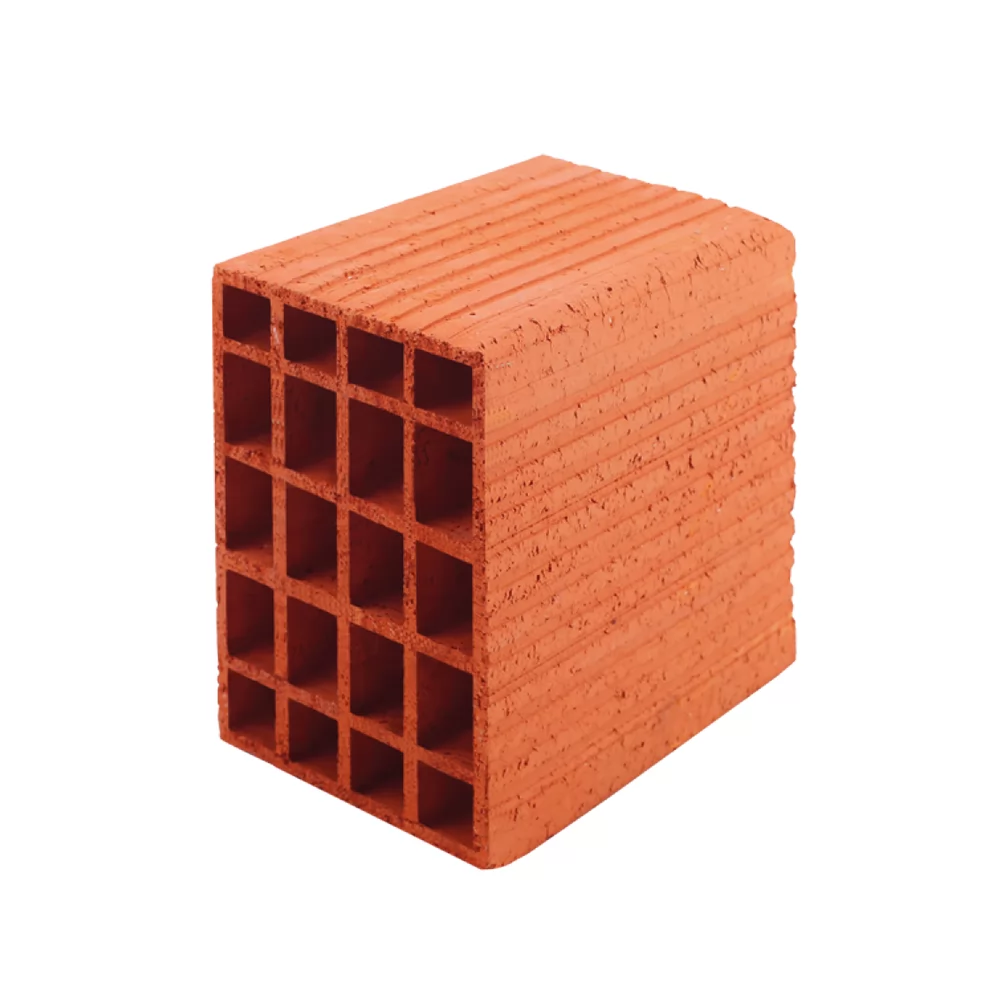
Kilsan Iso Brick 19cm
High thermal insulation and energy-efficient building brick.
Kilsan Iso Brick 19cm: Superior Thermal Insulation and Durability
Kilsan Iso Brick 19cm is a special building material that combines high thermal insulation, robustness, and longevity, which are fundamental needs of modern construction. Produced with advanced manufacturing technologies, this brick significantly increases the energy efficiency of your building, allowing you to save on heating and cooling costs. Thanks to its special cavity structure and lightweight texture, it has a much lower thermal conductivity value compared to traditional bricks.
Kilsan Iso Brick 19cm is an ideal solution particularly for exterior walls, infill walls, and all structural elements where thermal bridges need to be minimized. It also contributes to sound insulation, creating a more comfortable atmosphere in your living spaces. With its environmentally friendly structure and long-lasting usage, it contributes to the construction of sustainable buildings. Manufactured with Kilsan's quality and assurance, this brick makes a difference in your projects both economically and in terms of performance.
Choose Kilsan Iso Brick 19cm for high-energy-performance buildings and construct the comfortable and economical living spaces of the future.
| Feature | Value |
|---|---|
| Dimensions (LxWxH) | 190x190x190 mm (±3 mm) |
| Unit Weight | Approx. 7.5 - 8.5 kg/piece |
| Density | Approx. 700-800 kg/m³ |
| Thermal Conductivity (λ) | 0.17 - 0.20 W/mK |
| Compressive Strength | ≥ 2.5 N/mm² (Minimum) |
| Water Absorption Rate | 15% - 20% |
| Reaction to Fire Class | A1 (Non-combustible material) |
| Sound Insulation Performance (20 cm single wall) | Approx. 40-45 dB (with plaster) |
| Pieces per Square Meter | 25 pieces/m² (including 1 cm joint) |
| Packaging Type | Palletized |
*Technical data may vary slightly depending on production conditions and testing methods.
- Exterior Walls: Ideal for maximizing energy efficiency in building exterior walls due to its high thermal insulation value.
- Interior Partition Walls: Creates comfortable living spaces by contributing to thermal and sound insulation in interior areas.
- Infill Walls: Preferred for non-load-bearing infill wall applications due to its lightness and insulation properties.
- Apartment and Residential Projects: Used in new-generation residences to improve energy performance certificate ratings.
- Commercial and Industrial Buildings: Suitable for reducing energy costs in large-volume structures such as offices, shopping centers, and warehouses.
- Terrace and Attic Walls: Provides effective insulation in these areas exposed to intense temperature variations.
- Preventing Thermal Bridges: Helps minimize the formation of thermal bridges at column and beam junctions.
- Surface Preparation: The application surface must be clean, free from dust, oil, and loose particles. If necessary, the surface can be lightly moistened.
- Mortar Preparation: Use a lightweight or normal cement-based mortar suitable for Kilsan Iso Brick 19cm, supporting its thermal insulation properties. Prepare the mortar according to the manufacturer's instructions.
- First Course Application: Wall construction should start from the corners, and the first course should be carefully laid level. Mortar thickness should generally be 1-1.5 cm.
- Brick Placement: Bricks should be pressed onto the mortar and aligned using a rubber hammer. Ensure vertical joints are completely filled.
- Jointing: Horizontal and vertical joints must be uniform and of the same thickness. Excess mortar should be cleaned without spilling from the joints.
- Accuracy Check: After each course, the straightness and verticality of the wall should be checked using a level and string line.
- Cutting and Shaping: Bricks can be carefully cut with an electric brick cutting machine or appropriate hand tools.
- Curing and Protection: After application, walls should be protected from direct sunlight, wind, and frost, and adequate curing should be ensured for the mortar to set properly.
- Occupational Safety: Personal protective equipment (gloves, goggles, dust mask, etc.) must be used during brick handling and cutting.
- Storage: Bricks should be stored on a dry, flat, and solid surface, protected from direct rain and moisture. When stacking palletized products, precautions should be taken against the risk of overturning.
- Transportation: Bricks should be transported carefully to prevent breakage. For palletized transport, a forklift or pallet jack should be used.
- Mortar Selection: Ensure that the mortar to be used is suitable for the brick type and application conditions. Proper mortar selection is critical, especially to maintain insulation values.
- Freeze-Thaw: Although bricks are frost-resistant, care should be taken in mortar selection and application timing in regions with intense freeze-thaw cycles.
- Application Temperature: For the mortar to set properly, the ambient application temperature is recommended to be between +5°C and +30°C.
- Technical Consulting: In special projects or situations requiring technical details, it is recommended to seek support from the Kilsan technical team or an authorized dealer.